Experience in exploring Cuc Phuong National Park
1. Introduction to Cuc Phuong National Park
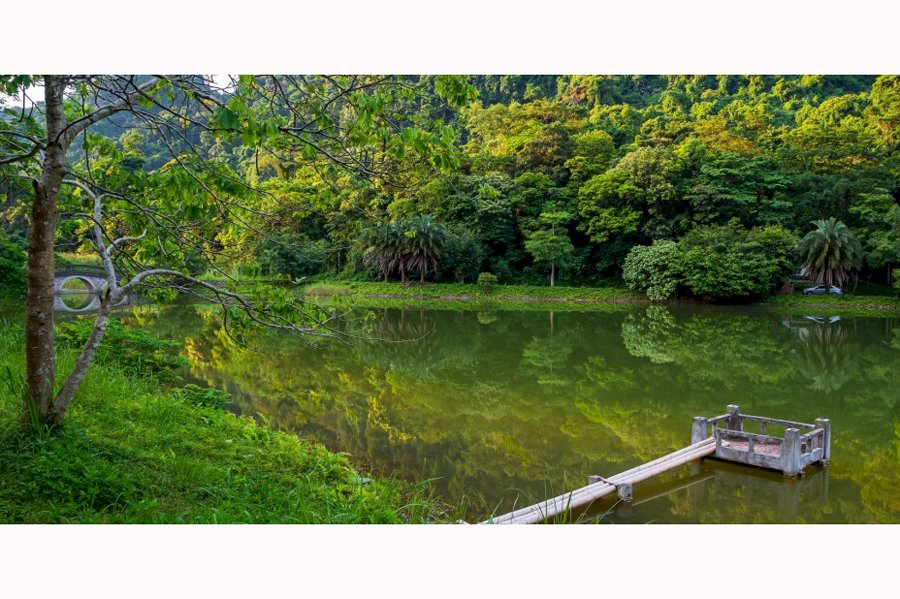
Established in 1962, Cuc Phuong is the oldest national park in Vietnam. Located only 120km southwest of Hanoi and nestled between the provinces of Ninh Binh, Hoa Binh and Thanh Hoa, Cuc Phuong boasts an engaging cultural and wildlife heritage and enchanting scenery. Covered in a dense forest, this landscape forms the habitat for some of Asia's rarest animal and plant species. Cuc Phuong forest possesses many old trees for many years, beautiful birds... is a great place for outdoor picnics.
Cuc Phuong National Park covers an area of 25,000 ha. The characteristic of Cuc Phuong is tropical rainforest, green all year round with extremely rich and diverse flora and fauna. There are many endangered species of flora and fauna that have been discovered and preserved here, of which the outstanding black-and-white langur is considered the symbol of Cuc Phuong forest.
‘
‘
2. The ideal time to visit Cuc Phuong Nation Park
From February to April is the right season to see birds such as pheasant, leper, marble babbler, white-bellied chop...
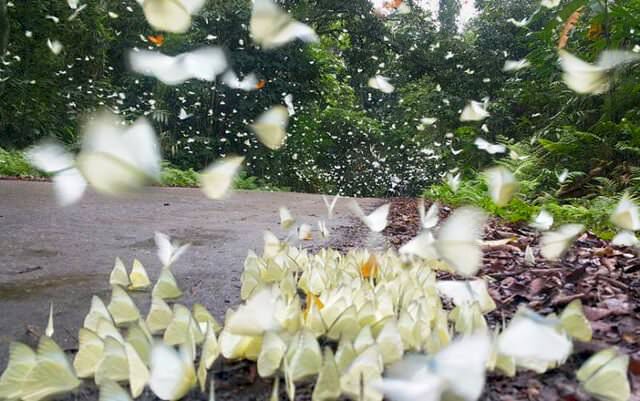
The end of April and the beginning of May is the butterfly season in Cuc Phuong. At this time, thousands of colorful butterflies appear, creating a splendid and poetic scene.
From April to August every year, the weather is sunny and beautiful, but sometimes there may be rain and storms. Please check the weather before you go.
‘
‘
3. How to move to Cuc Phuong National Park?
Traveling by private vehicle
From Hanoi, go along National Highway 1A, go to Gian Khau junction (Gia Vien district, 10km from Ninh Binh city) and then continue to turn onto National Highway 12A, pass Nho Quan town 2km, then turn left to Cuc Phuong. Private vehicles can go deep into the forest according to certain route, so it is quite convenient for your journey.
'
Traveling by bus
- Take the bus directly from Giap Bat bus station to Cuc Phuong. In the morning Duc Hanh bus 0912607066 departs from Giap Bat at 10 am, in the afternoon Phu Duyen bus 0988118215 departs at 15h00. The cars go straight, so you can get to Cuc Phuong most conveniently.
-You can go to Giap Bat bus station to take the Nho Quan bus route - from here get off the bus and continue to take a bus, taxi, motorbike taxi or rent a motorbike to Cuc Phuong National Park.
‘
‘
4. Where to stay in Cuc Phuong National Park
4.1. Inside Cuc Phuong National Park
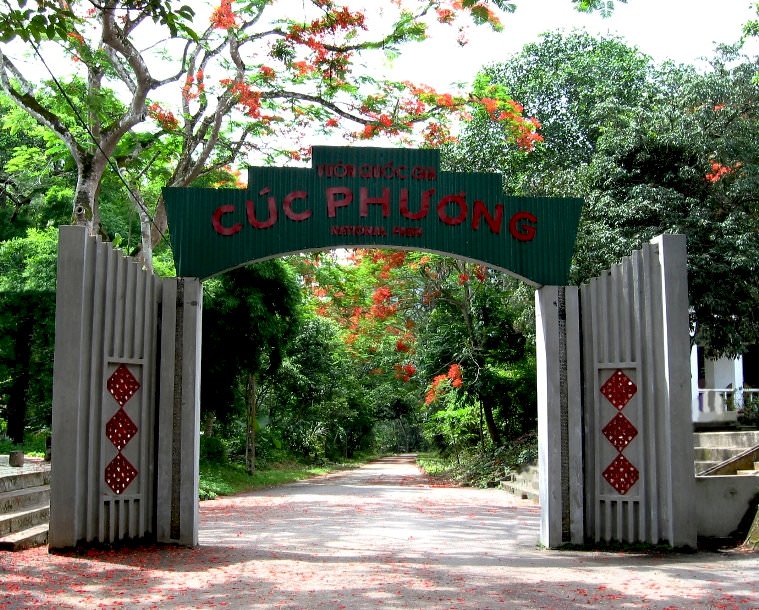
Garden gate area
The garden gate is the starting point for all activities in the park, building a sightseeing program, booking services such as Tour guide service, night wildlife viewing, kayaking, Ethnic art show, bicycle and all information about Cuc Phuong.
‘
Mac Lake area
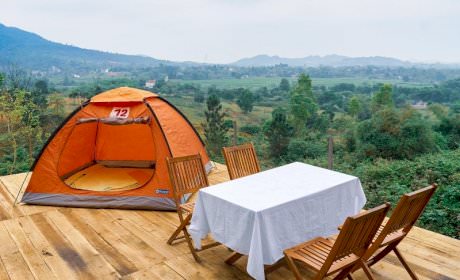
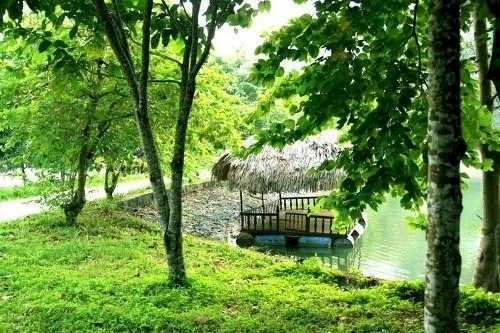
1.5km from the garden gate, Mac lake area is a quiet and fresh place with full service for eating and sleeping. Mac Lake has both private rooms and collective stilts, there is also a space to organize campfire activities.
‘
The central area (Bong)
Bong hamlet is about 20km from the garden gate, this is the last place on the route through Cuc Phuong forest. There is also a full range of accommodation services, but this area does not have electricity, only the generator runs for about 4 hours every night, and if there are too many guests, they won't run the generator.
'
4.2. Outside Cuc Phuong National Park
Nearest to the forest gate is Cuc Phuong resort. This area is not beautiful, but it can be said that it is temporary if you want to stay in the true resort, with a swimming pool, bungalow-style rooms, and a good restaurant.
‘
‘
5. Tourist activities
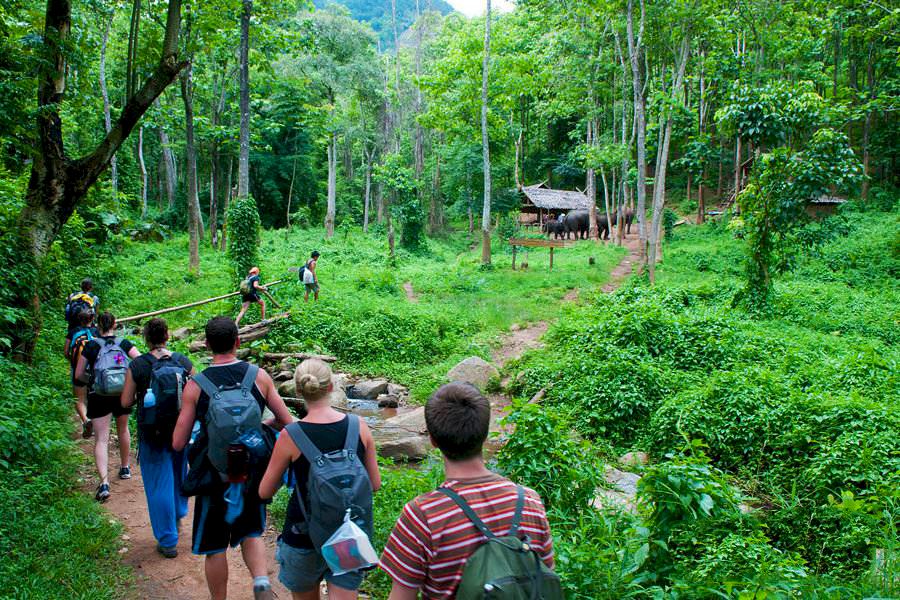
Walking in the primeval forest
Cuc Phuong has built many walking routes in the forest, with different content and time, visitors can choose suitable routes for themselves, some walking routes can be discovered by yourself. With the guidance and introduction of the tour guide, surely your trip will become more interesting and meaningful. The camping route and overnight in the forest, the long walking route to Ngoc Son conservation area, and Pu Luong conservation area are attractive routes that many tourists are interested in.
‘
Ecotourism with the participation of the community
Cuc Phuong's nature is extremely important, as a source of livelihood for local communities, ecotourism with the participation of the community is an important solution, contributing to improving people's lives. With a one or two-night stay in Muong village, tourists have contributed to generating income for the people, support conservation work and have the opportunity to learn and discover the unique indigenous culture.
'
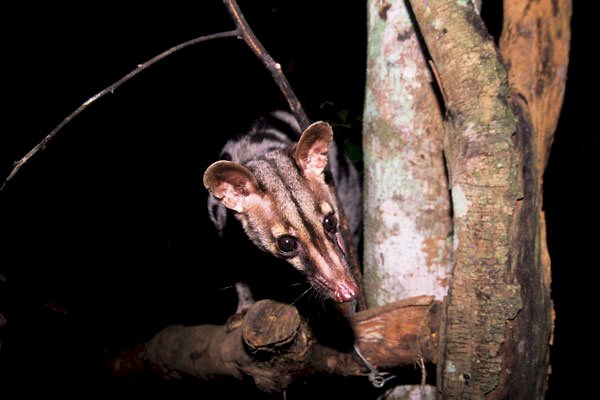
See wildlife at night
Depending on weather conditions, the National Park can organize a night wildlife viewing program, doing this program visitors will have the opportunity to see some wild animals such as Black squirrel , Flying Squirrel, Roe deer, Culi and some small carnivores.
‘
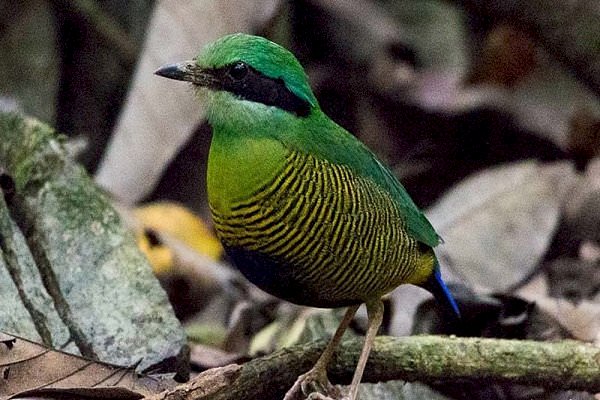
Bird watching
Cuc Phuong is one of the most diverse sites of bird fauna in the North of Vietnam, with 308 species discovered and recorded, including many rare species such as Red-headed Woodpecker, White Pheasant, striped-bellied tail..., especially many endemic species of Vietnam and Indochina. The best times for bird watching are early morning and late afternoon.
‘
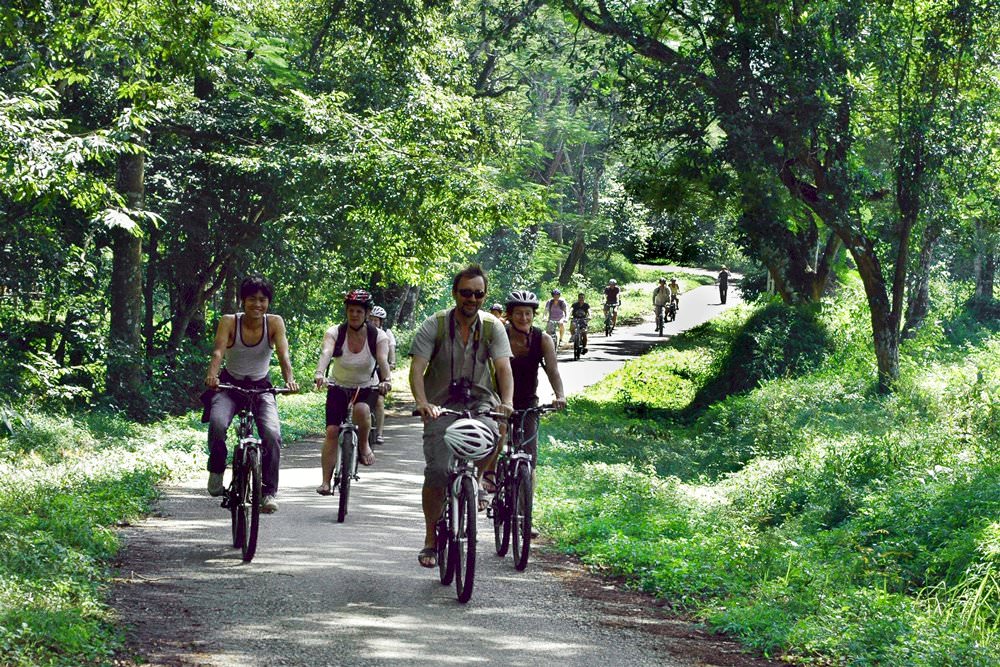
Cycling in the forest
One of the forms of discovering the mystery of Cuc Phuong's nature is cycling in the forest. Cycling in the forest will not only give visitors a quiet feeling and a real sense of nature but also give visitors the opportunity to encounter rare animals in Cuc Phuong. (Visitors can rent mountain bikes at the reception room).
‘
Kayaking
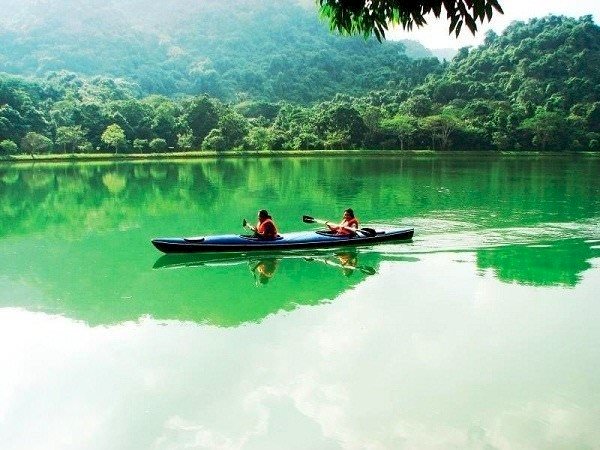
Staying at Cuc Phuong, visitors can participate in many recreational and relaxing activities. Kayaking on Mac Lake and Yen Quang Lake is one of the attractive activities that many tourists like.
'
'
6. Places to visit in Cuc Phuong National Park
Conservation Centers
Visitor Center
Built by AusAid and FFI, this is also the first visitor education center established in Indochina. This is a place to visit and also a place to do necessary procedures before entering the forest.
'
Botanical Garden
This is an area built to collect and plant rare species of Cuc Phuong, Vietnam and the world. This is one of the three world-class botanical gardens according to the list published in 1997. The route to visit the garden is easy, with a walking distance of 3 km.
'
Primate Rescue Center
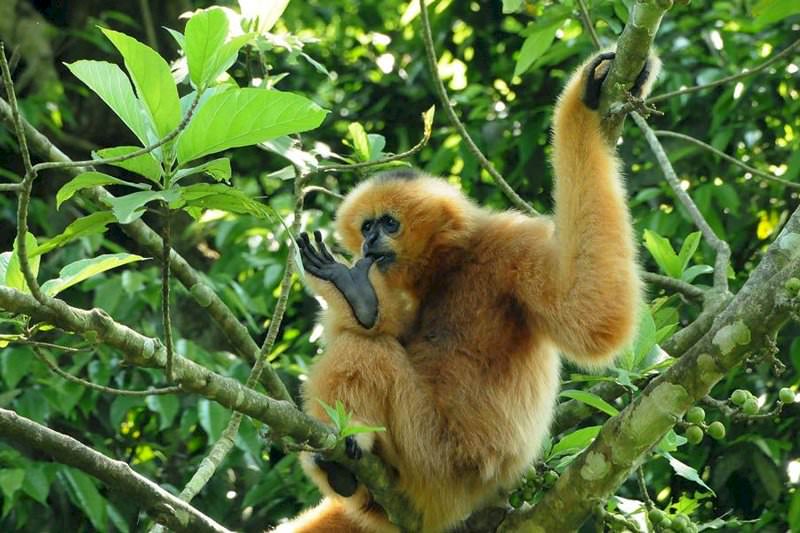
Having the task of rescuing every rare primate species (White-butted langur, Ha Tinh langur, jet-black langur, Laotian langur, Cat Ba langur, Gray-shanked douc langur ...) from confiscation and arrest; releasing animals back into the wild; research on primates such as foraging, living behavior, environment, living space.
'
Turtle Conservation Center
The center has an area of 7000 m2 including cages, water tanks, specialized equipment for breeding more than 1000 turtles belonging to 22 out of 26 native turtle species in Vietnam. Most of these individuals have been seized by the authorities from illegal trade or successfully hatched at the center.
'
The first Carnivore and Pangolin Conservation Education Center in Vietnam
500m away from Cuc Phuong National Park Headquarters, visitors can easily schedule a visit to the Carnivore and Pangolin Conservation Education Center to learn and discover the beauty of endangered wildlife species threat in Vietnam. Visitors can visit rescued animals in the long-term care area, see footprints and experience the calls of carnivores and pangolins.
'
Cuc Phuong Museum
It is an important research and reference site for students, conservation experts, plants and animals to visit and study. Cuc Phuong Museum is located within the grounds of Cuc Phuong National Park. The museum has been newly built to serve the storage and preservation of samples such as insects, butterflies, hair clippers, dragonflies, cicadas, stick beetles, birds, other animals such as bears, leopards, monkeys, langurs ... Cuc Phuong Museum is storing more than 50 archaeological samples, including positive specimens of Slab-tooth Reptiles dating from 230 to 250 million years ago. Cuc Phuong Museum currently keeps 122 soaked samples, 82 animal samples, 2900 insect samples of all kinds, more than 12,000 plant specimens.
‘
Prehistoric Caves
Ancient Man Cave
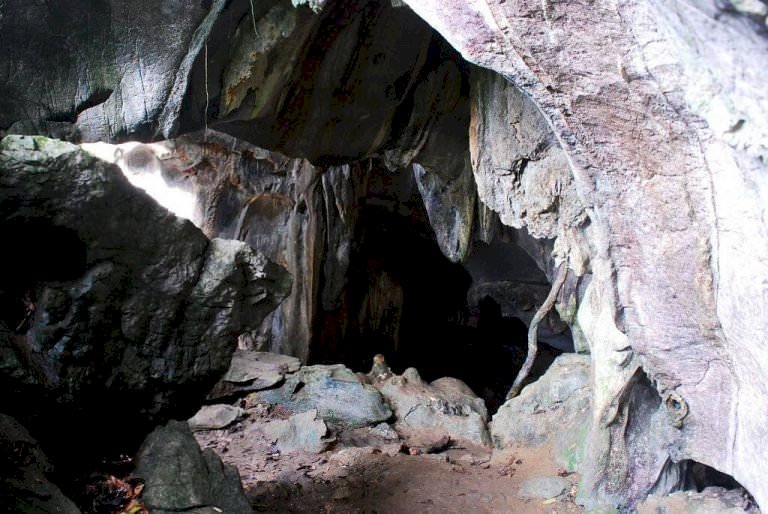
It is a residence and burial relic of prehistoric people, a unique cultural site in the history of human development and a valuable heritage located in the protected area of Cuc Phuong National Park.
'
Cave Con Moong
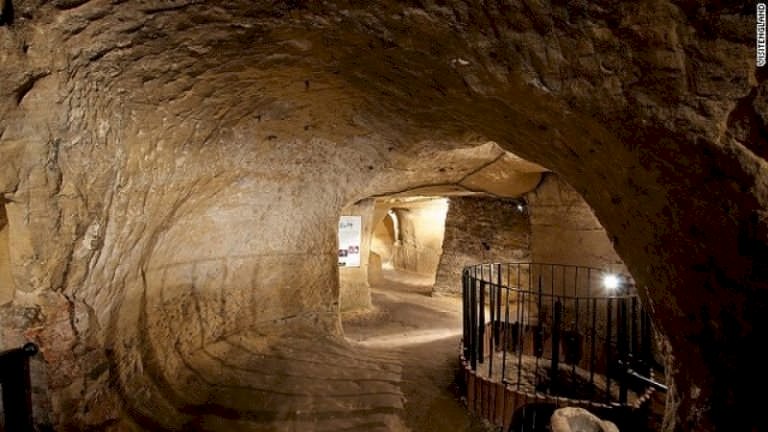
Because there is a large stone protruding that looks like an animal outside the entrance of the cave, so it is named Con Moong cave (the cave of the beast in the Muong language). This is also the residence of the ancient people, and is also an important archaeological site classified as a national monument.
'
Mang Chieng Cave
As a burial relic of Neolithic residents, there is a stone tool complex close to Hoa Binh culture, containing many artifacts, animal remains, and human remains.
'
Crescent Moon Cave
From afar, the cave door looks like a crescent moon, the cave is located deep in the forest.
'
Son Cung Cave
It is a cave located on the route to visit the thousand-year-old cha tree.
'
Pho Ma Cave
It is a beautiful cave with many natural stalactites. To enter the cave, you have to go through Yen Quang 3 lake, then pass valleys and rocky mountains.
'
Thuy Tien Cave
Created by the activities of limestone mountains, the beauty is said to resemble the palace of King Thuy Te with underwater fairies.
‘
Typical old trees
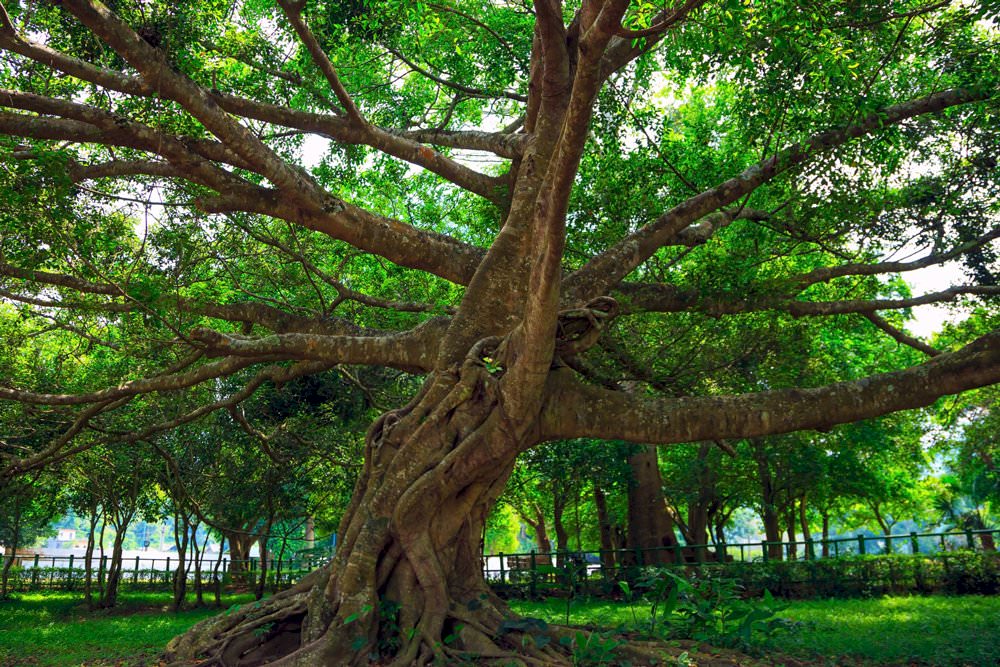
Ancient lantern tree
This tree is a 45m-high tree, up to 5m in diameter and has 20m-long floating roots on the ground. From the gate, driving the car through Ancient Man cave about 2 km, on the left side is the 3km-long path to the Ancient lantern tree. It's a tree which is woody vines 20–30 cm in diameter and about 100 m long with seven leaves and one flower (the most flowery genus of flowers); only found in Cuc Phuong. On the way to the tree, you can observe precious birds such as red-bellied squirrel, red-headed woodpecker, white pheasant or animals such as squirrel, black squirrel, red-bellied squirrel, white rump langur...
‘
Thousand-year Cho tree
It is a 45m-high great tree, has 5m in diameter and has a circumference of more than 20 people to hug. From the center, on the way follow a trail to reach the tree, you will meet the giant Bam Bam vines with a root diameter of 0.5m, running across the forest for 1 km and the strangled banyan specie. Banyan seeds germinate in other tree holes. When their roots are attached to the soil, they grow very quickly, gradually squeezing the host plant. You can also admire the Cho trees that are only 70m high, with straight and round bodies. It takes nearly 3 hours to go to and back for this route.
‘
Ancient Sau tree
This tree is 45m high, the root system is divided from the trunk at a height of about 10m and then grows to a length of 20m. On the way to Sau Tree, you can also admire the woody vines; the ancient species of Dandelion; epiphytic species such as mistletoe, kite's nest, orchid; birds such as red-headed woodpeckers, striped-bellied tails...
'
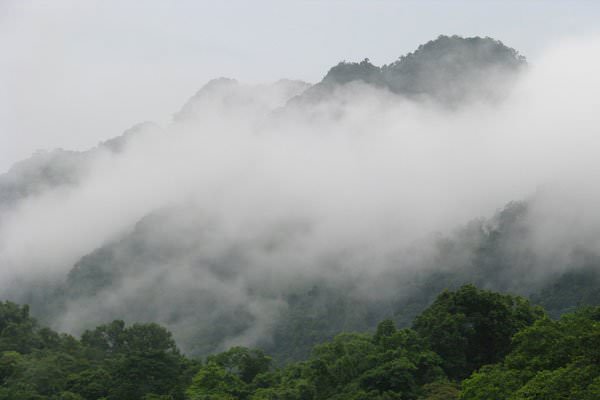
Silver Cloud Peak
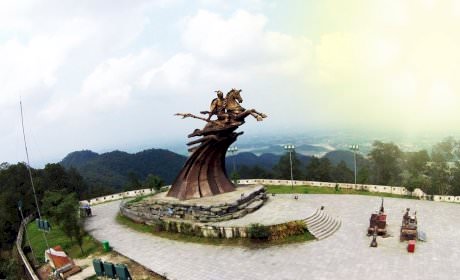
Silver cloud Peak has a height of 648m, from the top we can see a panoramic view of the national park along with Hoa Lu ancient capital and Bai Dinh pagoda.
‘
Yen Quang Lake – Pho Ma Cave
Going back to Nho Quan street for about 7km, going to Tri Phuong bridge, turning west to Yen Quang lake. Going through Thung La to the foot of the limestone mountains is Pho Ma cave with many rocky slopes that are quite difficult to walk, so this place is only suitable for people with good health. Pho Ma cave is a magical architectural work by Vietnamese people. Nature created countless stalactites with interesting shapes.

‘
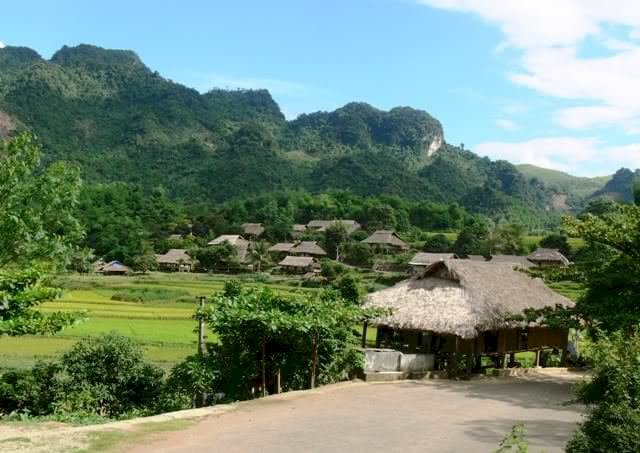
Muong village
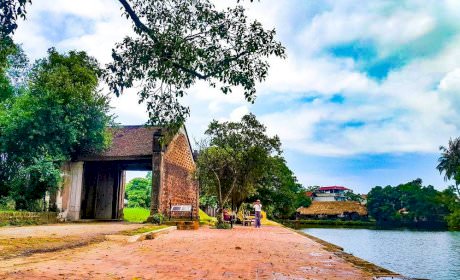
Cuc Phuong is also home to the Muong community with many unique cultural features such as stilt houses, terraced fields, brocade looms...
‘
‘
7. What to eat in Cuc Phuong National Park?
In Cuc Phuong, you can enjoy burnt rice, specialty mountain goat meat and special mountain snails that are only available here. In addition, there are still many other attractive dishes such as grilled garden chicken, deep-fried perch with a cup of Muong rice wine...
'
‘
Source: Collected